By Cailin Reedy
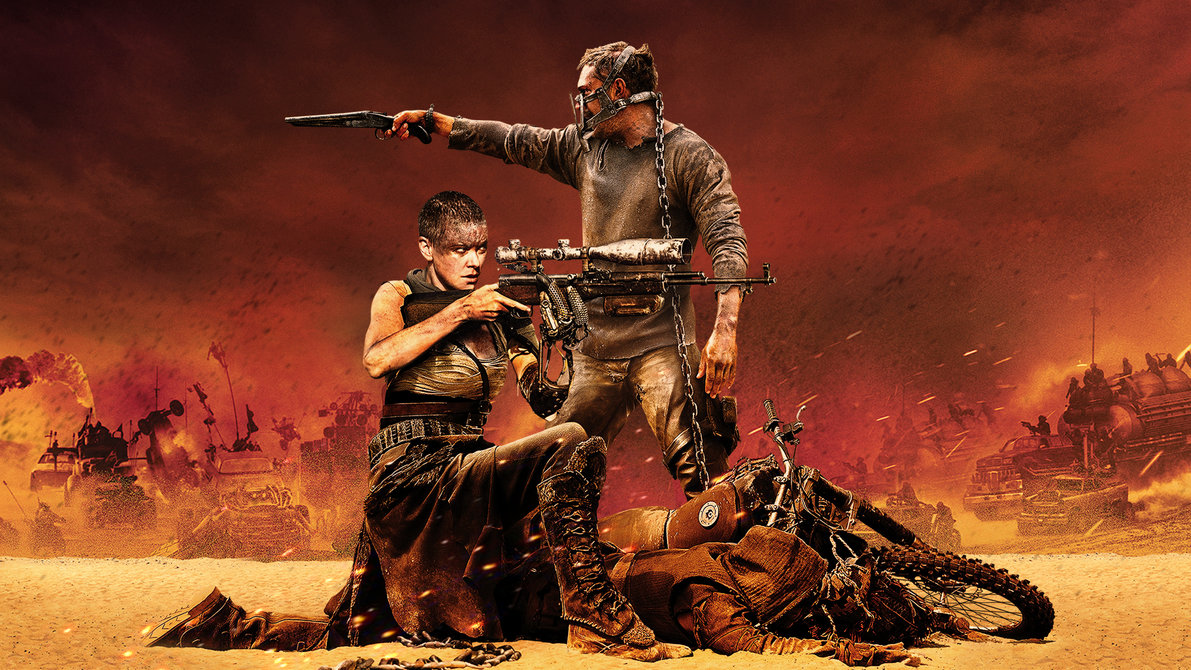
America loves dystopias. In movies such as "The Hunger Games," "Wall-E,"
and "This Is The End," the apocalypse takes over. Media consumers have developed a love affair with the savage terror - and
beauty - of the apocalypse and its fallout to the point that barren dystopian
landscapes are almost a goal.
One of the most recent examples of
the media’s love for the apocalypse is 2015’s "Mad Max: Fury Road." The movie continues the original franchise
that starred Mel Gibson as a post-apocalyptic wasteland wanderer called Max, a “road warrior” in a world where
society fights tooth and nail for the last drops of gasoline.
But this future, where the earth
was destroyed by nuclear warfare and turned into a desert, isn’t
frightening. It isn’t a horror movie
about the evils of environmental devastation. Until "Fury Road," the Mad Max franchise wasn’t even particularly focused
on social justice or ethics.
The apocalypse is
romanticized. It may be stark and
violent, set in the real-world Namibian desert, but the characters in the movie
are of almost superhuman drive, intelligence and strength. The apocalypse is not a scary place. It is almost a goal, a place where anything
could happen. The apocalypse is a new
beginning.
While the standard apocalyptic
vision of Earth recovering after catastrophe may be appealing as a
“rebirth” motif, Mad Max has no greenery.
It is a barren landscape with little chance of recovery, and the people
in it continue to pollute the environment and destroy natural spaces without
heed. And the inhabitants of this
universe suffer almost no consequences from this, other than having to live in
and deal with the environment. But even
that is a given because they cannot remember a living Earth.
Movies like this are fun, but they
are also dangerous. They teach that the
environment is static, that once it is wounded there is no chance of recovery. They teach its importance, to an extent.
But they also teach that the death
of Earth is only aesthetic. As long
as the desert landscape is pleasing to the eye - and it, in all its
computer-enhanced beauty, is - then the apocalypse is nothing more than a change
of backdrop and a little dust in one’s boots.

No comments:
Post a Comment